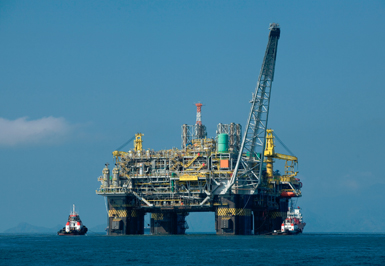

Rights of an Injured Offshore Worker

Offshore workers have very hazardous jobs. Injuries are all too common among these workers and unfortunately, when a accident does occur, it often has serious results. If you are an injured offshore worker you need to understand that you do have rights. The first step for victims of injuries is to speak to an offshore injury attorney. This is a lawyer who specializes in these types of accidents.

Sometimes an injured offshore worker may be afraid to take legal action because of fear. However, it is important to know that maritime laws and particularly the Jones Act, protects seamen by ensuring they maintain their rights. One of the most important rights as an injured offshore worker is the right to an attorney. Contact an offshore injury attorney as soon as possible after an accident happens.

Once an offshore injury attorney has been contacted you can rest assured that the lawyer will begin working on your case by gathering information and reviewing doctor reports. If an accident occurs you can be sure that the company will immediately begin taking action by utilizing the company investigators and legal team. You need to take steps to protect your rights so you are protected every step of the way.

If you have suffered an injury, your main concern is likely your current and future health. It is essential that you seek the medical treatments necessary to ensure this happens. Your attorney will help to make sure that you receive all the medical benefits that you are entitled to. You’ll also probably be concerned about the inability to work while you’re recovering from the injury. If the accident or injury was the result of negligence on the part of another, your lawyer may help you seek additional damages to include such things as lost wages, and money for pain and suffering.

Share on FacebookShare on Google+Tweet about this on TwitterShare on LinkedInPin on PinterestEmail this to someone

Numerous Accidents Reported after Typhoon

As expected, the Philippine Coast Guard has been receiving many reports of maritime accidents since the typhoon hit. The typhoon is considered to be one of the most powerful storms ever known to man so it is no wonder that many ships were impacted as a result. High winds create huge waves which can cause even some of the most seaworthy vessels to become damaged or disabled.

Unfortunately, when a ship goes down at sea there are often no survivors. This is especially true when there is a major storm in the area. A small lifeboat or life preservers or vests are no match for the powerful waves and wind that the typhoon produced.

Thus far, 13 maritime accidents have been reported to the coast guard. However, many more are likely expected. If entire ships went down with no survivors, it could take weeks or longer to learn of the accident. One of the worst accidents reported so far is the Andrea Princess, a cargo ship. It was taking shelter as best it could in Ando Island when the typhoon hit. The rough seas caused it to drift and eventually run aground. Of the crew members aboard, 2 have died, 5 are missing, and 15 have been saved.

The full extent of the disaster has not yet been realized. Many ships sunk, and many more drifted until they came to shore. Piles of debris including many ships must be gone through. It is likely that there were many maritime fatalities that are not yet known. While the typhoon was a natural disaster, many maritime accidents are the result of negligence. A Texas City personal injury attorney has experience dealing with all types of maritime accidents and injuries.

If you have been injured due to the negligence of another, you may be entitled to compensation. Speak to a Texas City personal injury attorney to learn what you should do after an accident occurs. Your attorney will answer any questions you may have and guide you through the legal process. It’s best to call a Texas City personal injury attorney as soon after the injury occurs as possible.

Share on FacebookShare on Google+Tweet about this on TwitterShare on LinkedInPin on PinterestEmail this to someone

Four Filipino Offshore Workers Dead in One Year

Things are getting ugly in the Gulf as the beginning of November marks the fourth death of a Filipino offshore worker within one year. Three were killed in an explosion on an oil platform in the latter half of last November, and now a worker trying to decommission a platform has also been killed in an accident.

Understandably, the Philippine Embassy has been concerned. The incidents suggest both the use of immigrant workers to take on riskier jobs- and it is obvious how dangerous these jobs can be- and bring up concerns about safety procedures. While many deep water wells have been revamped over the last three years after a serious incident in 2010, there has been much less stress on the safety protocols of shallow water wells.

However, it is clear that more emphasis does need to be made on these shallow water platforms and their safety procedures and training. The Philippine Embassy has urged the Bureau of Safety and Environmental Enforcement, founded after the 2010 incident, to investigate this death and perform a close assessment on any related safety practices to protect both Filipino and American offshore workers from further injuries or fatalities.

Houston maritime workers, who have their own work in the Gulf, should be particularly concerned about these potential safety issues. If you do not already have a maritime lawyer in Houston lined up in case the worst should occur, you need to do so immediately. Call Kirkendall Dwyer LLP in order to get compensation for injuries you or a loved one has suffered or simply to get more information about your options in case a serious accident should happen to you. Be prepared and take on the very best in order to protect yourself properly.

Share on FacebookShare on Google+Tweet about this on TwitterShare on LinkedInPin on PinterestEmail this to someone

Types of Maritme Accidents

There are many types of maritime accidents. Of these, the most dangerous, and the type with the most potential for injuries or death, is a collision at sea. There are a number of different ways a collision can take place. All of them present hazardous conditions for those aboard the vessels. Serious accidents, with injuries, can occur quickly. A victim of such an accident will want to discuss it with an experienced maritime injury lawyer.

Bow-On: This type of collision occurs when two ships collide front to front. It can be compared to a head-on collision in a vehicle. In many cases, the bow-on accident may be caused by an inability to brake or slow the vessel. Maritime rules call for vessels that are approaching each other in this manner to pass to the starboard, so both ships avoid a collision course. Failure to take action is almost always attributed to human error.

Stern Collisions: This type of accident happens when one vessel hits another near the rear. This can cause extensive damage. Stern collisions are most likely to happen when passing another vessel. Maritime rules provide that a vessel that is being passed should stay out of the way of the other vessel. It is possible to run into the other vessel, which is commonly caused by crew members who are not paying attention.

Side Collisions: A side collision is similar to a T-bone accident in a vehicle. One vessel crashes into the side of another vessel. Sometimes an accident of this type could be caused by adverse weather conditions such as strong winds or waves that make it difficult to gain control of the vessel.

Allison Accidents: These are accidents that occur when a moving vessel runs into a stationary object. A common Allison accident may happen when a vessel hits a bridge or seawall. In cases such as this, the moving vessel is presumed to be at fault.  These accidents, while often close to shore, can be dangerous to both crew members and passengers. Talk to a maritime injury lawyer to learn what steps to take if you have been injured.

Maritime accidents can be hazardous and can result in injuries or death. If you or a loved one has been injured in this type of accident, contact a maritime injury lawyer as soon as possible.

Share on FacebookShare on Google+Tweet about this on TwitterShare on LinkedInPin on PinterestEmail this to someone

Understanding the Jones Act

The Jones Act is also known as the Merchant Marine Act of 1920. The Merchant Marine Act defines the legal rights of a sailor who is injured or killed as a result of negligence on the part of vessel’s owner or other sailors. The law outlines the right to sue their employer and the right to receive a trial by jury. Before the law was passed in 1920, sailors did not have these rights on a consistent basis. Sailor’s rights were very limited until the law was passed.

The Merchant Marine Act is considered to be a milestone in liability law. One of the motivators for Congress to enact this law was the sinking of the Titanic in 1912. The accident was the largest of its kind and was widely publicized worldwide, bringing a heightened public awareness to maritime accidents. Additionally World War I brought concerns about merchant marine safety. In 1915, Congress put safety requirements in place as a way to protect the welfare of American seamen serving in the Merchant Marines. This was the precursor to the Merchant Marine Act.

The Jones Act, as it has come to be known, formally provided for legal rights of sailors. It specifically outlines that any seaman who suffers a personal injury may seek action for damages with the right to a trial. The definition of seaman came to be unclear as the years went by. Through various legal actions, the term now includes workers on oil rigs and dredges. To be covered under the Jones Act, a person must have duties that contribute to the function of a vessel or to its mission. If you have been injured as the result of a maritime accident, you may be covered under this law. Consult with an experienced maritime attorney to review your case.


Share on FacebookShare on Google+Tweet about this on TwitterShare on LinkedInPin on PinterestEmail this to someone

What Maritime Workers Should Know About the Jones Act

It’s a simple fact that working on the water is dangerous. Whether they are working in shipping or fishing, seamen face long hours, work with heavy equipment, and have to deal with a host of dangers that simply aren’t present or significant on land. They also may not be able to reach aid beyond that of other crew members if an accident does occur.

These workers are aware of the risks and choose to continue their jobs. This benefits everyone, as they are jobs that need to be done. Unfortunately, some corporate employers might be tempted to claim that since risks are inherent to the work and workers go in knowing the risks, they are never responsible for accidents that occur during the work. However, companies need to be held accountable for the safety conditions on their ships. While some risk is unavoidable, there are many steps that can be taken to reduce it, and companies cannot be allowed to simply ignore these processes in order to cut costs.

This is where the Jones Act comes in. Every maritime worker should be aware of this legislation. It maintains that companies need to maintain reasonably safe working conditions, such as keeping their vessel seaworthy and providing appropriate safety gear. If they do not, they will be held legally liable for any injuries that occur while workers are on their vessels. This enables seamen to have some type of legal recourse if they are ever injured. The act also requires some payment even if the company is not directly responsible for the injury.

If you are a Texas maritime worker who has been injured and has not received compensation, you need to contact a Jones Act lawyer in Houston. Kirkendall Dwyer LLP is the best option for such legal recourse.

Share on FacebookShare on Google+Tweet about this on TwitterShare on LinkedInPin on PinterestEmail this to someone