
Using a Baytown Personal Injury Attorney to Sue for Lack of Equipment

Maritime work can involve a number of different tasks for any one job. Each of these tasks can carry an exhaustive amount of variables when it comes to doing the job right and doing it safely. The work maritime employees carry out is some of the most dangerous in the world, thanks in large part to each employee having so many of these variables to keep track of. That’s why sustaining an injury because of an employer’s negligence is simply unacceptable.

According to the Occupational Safety and Health Administration (OSHA), the most prevalent hazards maritime workers face in the workplace are falling, heat, drowning, fatigue, and hearing loss. For the most part, the risk of suffering these dangers can be greatly reduced by having the right equipment.

If you feel your employer is dropping the ball when it comes to outfitting you with necessary equipment, contact a Baytown personal injury attorney today. They can help guide you through the steps necessary to bring this matter to your employer’s attention in order to receive the safety measures you deserve.

Unfortunately, it may be past that point. If you were recently injured because the right equipment was not afforded to you, a Baytown personal injury attorney can certainly file suit on your behalf and seek compensation for the injury you sustained.

Some injuries, however, are less dramatic. For example, if you’ve developed hearing loss from the loud noises at your job and were never given the proper ear protection, you may not have recognized it right away. Nonetheless, you can still be entitled to damages. Contact a Baytown personal injury attorney immediately, and don’t wait another day for what might be yours.

Maritime work is hard enough as it is without your employer undermining your safety. The law office of Kirkendall Dwyer LLP understands this and knows what you’re entitled to in terms of precautionary measures. Contact them today, and they’ll begin looking into your personal injury case.

Share on FacebookShare on Google+Tweet about this on TwitterShare on LinkedInPin on PinterestEmail this to someone

The Importance of a Good Jones Act Lawyer in Houston

If you’re a maritime lawyer, you probably have at least some understanding of the Jones Act. Also referred to as the Merchant Marine Act, it was passed in 1920 with the goal of protecting maritime workers aboard commercial vessels in national waters. However, just because the bill is there, that doesn’t mean you’ll always get the most out of it. For that, you need a Jones Act lawyer in Houston for representation.

For one thing, the Jones Act is not automatic. You have to invoke your rights in order to take advantage of them. A maritime worker’s attempt to do this is sometimes squelched, however, by the very people they work for. Sadly, greed can overtake an employer’s sense of morality, resulting in pressure on a worker to take far less than they’re owed.

When in doubt, contact a Jones Act lawyer in Houston if you’ve been injured or have any questions. In fact, if you’ve been hurt, speak to a lawyer before you say anything to your employer or their insurer. Any statements you make could otherwise be used against you later.

There are many ways a qualified Jones Act lawyer in Houston could invoke that law to get you compensation. If your employer failed to provide you with a drug free environment, for example, they can be held accountable. Your employer is also to blame if the equipment they provide, or the ship itself, is not in good working order. Even if you become injured for no other reason than simple human error on the part of one of your coworkers, the Jones Act says you have a case.

The Jones Act is a powerful piece of legislation that stands between you and further repercussions from suffering an injury on the job. Call Kirkendall Dwyer LLP today if you have any questions or if you’ve been recently injured.

Share on FacebookShare on Google+Tweet about this on TwitterShare on LinkedInPin on PinterestEmail this to someone

Oil Rig Injury Attorney Important When It Comes to the Jones Act

Back in 1920, a broad piece of legislation was designed and passed to protect the interests of maritime workers. Part of this protection was guaranteeing them certain compensation in the event of an accident while on the job.

Even with the objective language of the Jones Act, maritime workers would still do well to have a maritime lawyer they can call in case of an accident. Sometimes, it’s even best to consult one prior to taking a job. One example of this would be working aboard an oil rig, in which case, you’d want to contact an oil rig injury attorney.

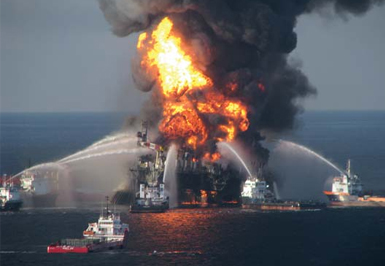
Oil rigs fall into a gray area, and they really weren’t considered back in 1920. Because they exist out at sea, many maritime workers might believe that the Jones Act protects them just as much as if they were working aboard any other vessel.

But the truth is it depends on what kind of oil rig you’re aboard. If the rig is the kind that actually floats on top of the water, you are most likely covered by the Jones Act. This kind of setup is generally considered to constitute a seafaring vessel.

However, if the rig stands atop the ocean floor, it is usually understood that the Jones Act does not apply. Fortunately, the Longshore and Harbor Workers Compensation Act exists to pick up the slack.

Understanding the difference between these two pieces of legislation can do more than provide you peace of mind. It can make the difference in receiving the compensation you deserve in the event of an accident. However, understanding this difference is a lot easier with the help of an oil rig injury attorney. Working on an oil rig is one of the most dangerous maritime occupations there is. So, if you have questions about your rights, contact an oil rig injury attorney at Kirkendall Dwyer LLP today.

Share on FacebookShare on Google+Tweet about this on TwitterShare on LinkedInPin on PinterestEmail this to someone

Ship Sinking? Crew Members Should Call A Houston Jones Act Lawyer

For maritime workers, there is no simple task. Every objective they have is connected to the lives of everyone else onboard. Of course, this works both ways. More often than not, a maritime worker is put in jeopardy because of the actions of their fellow crewmembers or even their employer. These events serve to highlight the value of a Jones Act lawyer in Houston.

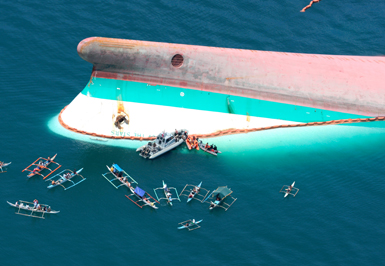
One such case happened recently off the coast of the Solomon Islands. On December 18th, a ferry left port to transport 390 people over the water. The problem? The Francis Gerena was only licensed to carry 80. It didn’t take long for the added weight to take effect. When the ferry’s pump failed, the ship began sinking.


At this time, all we know is the ferry was carrying far too many people and hadn’t been cleared to leave the harbor. But someone made a decision and as a result nearly 400 people were put at risk. Thankfully, everyone survived.


A qualified Jones Act lawyer in Houston would look at a situation like this and know their client was due for compensation if they had been injured. If the captain of the ferry made the decision to leave port, the Jones Act demands that crewmembers not be held responsible for others’ negligence. Had the pump failed for some other reason, a Jones Act lawyer in Houston would look to see if the owner of the ship was responsible for operating the vessel without proper equipment onboard.

In any case, maritime workers must have proper representation if they hope to get what they’re due under the Jones Act. A law firm like Kirkendall Dwyer LLP is a great option for maritime workers in Houston. While every incident is different, they can provide the kind of representation a crew member needs.

Share on FacebookShare on Google+Tweet about this on TwitterShare on LinkedInPin on PinterestEmail this to someone

How the Jones Act and the Right Texas Maritime Lawyer Keep You Protected

In 1920, the Jones Act was passed in an effort to both protect American workers from international competition and secure for them a safe workplace. In the event that a safe workplace is not provided, the Jones Act seeks to provide maritime employees with the compensation they deserve.

So long as the accident that left you injured wasn’t a result of your own actions, the Jones Act can provide significant financial support. This means all of your medical bills related to the accident will be covered. Furthermore, you must be provided with a certain amount of money that will help cover your day-to-day living expenses.

Though you are entitled to that support, it’s still a good idea to hire a Texas maritime lawyer who can review your case and make sure you’re getting everything you deserve.

For example, you should be able to recoup past wage lost, as well as any you will incur in the future. Besides getting all the relevant medical expenses covered, you can also be compensated for what’s called “pain and suffering”, which are the intangible effects from the injury.

It’s possible, too, that your employer was in some way responsible for your accident. The right Texas maritime lawyer will work to investigate if this is the case and, if so, prove as much. By doing so, you will be entitled to even more money for the neglect of your employer, which essentially enabled the accident to happen.

When you think about the long-term effects an injury can cause, it becomes readily apparent that proper representation is a necessity. Some injuries may not take you out of gainful employment for life, but they can easily keep you from earning as much you otherwise would have. A Texas maritime lawyer from a firm like Kirkendall Dwyer LLP could provide you the help you need to make sure you are fully compensated for the rest of your life.

Share on FacebookShare on Google+Tweet about this on TwitterShare on LinkedInPin on PinterestEmail this to someone

New Claim Regarding Triumph Illustrates Importance of Hiring an Offshore Injury Attorney

Everyone remembers back in March of 2012 when the Carnival Cruise’s Triumph caught fire, endangering the lives of everyone on board. Investigations concluded that the fire was caused by leaking fuel lines that made fire inevitable.

However, a new investigation has turned things on their head. The Associated Press recently published an article that states Carnival Cruise was well aware of the problem long before Triumph ever left for that last, ill-fated journey.

The article cites actual testimony from the captain’s deposition wherein he makes the claims himself. As evidence, he points to spray guards that were haphazardly installed on the engine as a defense against possible fuel leaks.

Among other things, such actions would be in direct violation of the International Maritime Organization’s Safety of Life at Sea recommendations.  Of course, that pales in comparison to the near 4,000 lives that could have been lost if matters had gotten worse.

It’s tough to imagine a company taking such risks with their own property, much less the lives on board. But, if the article is to be believed, it proves that, unfortunately, greed takes precedence over moral judgment sometimes. This is why every maritime worker needs an offshore injury attorney on call. While an event like this is hopefully in the minority, Kirkendall Dwyer LLP can handle all matter of incidents.

Thanks to the Jones Act, a maritime worker can seek compensation from their employer if they’re injured because of a coworker’s mistakes. Obviously, if the employer themselves are the culprits, this is equally the case. But in order to get what they deserve, workers need an offshore injury attorney who will represent them and their best interests. An offshore injury attorney from Kirkendall Dwyer LLP can further explain the intricacies of a particular case and seek to secure all the compensation a worker deserves.

Share on FacebookShare on Google+Tweet about this on TwitterShare on LinkedInPin on PinterestEmail this to someone